The Nissan airbag system, an integral part of the Supplemental Restraint System (SRS), is designed to enhance occupant safety during a collision. Understanding its indicators and adhering to safety guidelines is crucial for ensuring optimal protection for all passengers. This article delves into the functionality of the airbag warning light, the locations of important warning labels, and essential safety precautions related to child seat installation and general airbag interaction.
The Airbag Warning Light: A Diagnostic Indicator
The airbag warning light, typically displayed on the instrument cluster, serves as a vital monitor for the entire SRS. This includes not only the airbags themselves but also the pretensioner seatbelt systems and all associated wiring.
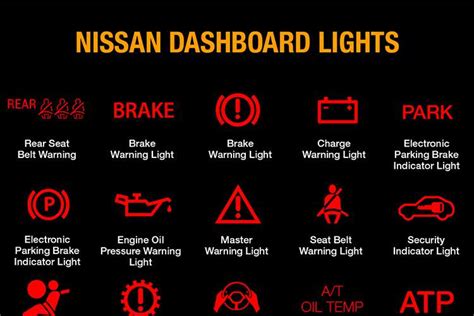
When the vehicle's ignition is turned to the ON position, the SRS airbag warning light illuminates for approximately 7 seconds. This brief illumination signifies that the system is undergoing a self-diagnostic check and is functioning correctly. Once this self-test is complete, the light should extinguish.
However, if the airbag warning light behaves in any of the following ways, it indicates a potential issue that requires immediate attention:
- The SRS airbag warning light remains illuminated after the initial 7-second self-check period.
- The SRS airbag warning light does not illuminate at all when the ignition is turned ON.
- The SRS airbag warning light flashes intermittently.
In any of these scenarios, the airbag system and/or the pretensioner seatbelt systems may not be operating as intended. This could compromise their ability to deploy effectively in the event of an accident, potentially leading to serious injury. Therefore, it is imperative to have these systems inspected and repaired by a qualified NISSAN dealer or an authorized workshop without delay.
Location of Airbag Warning Labels: Key Information at Your Fingertips
Nissan vehicles are equipped with several warning labels to inform occupants about the presence and proper use of the airbag system. Familiarizing yourself with these labels is essential for safe operation.
The primary SRS airbag warning label is strategically located on the front passenger's sun visor. This prominent placement ensures that it is visible to both the driver and the front passenger.
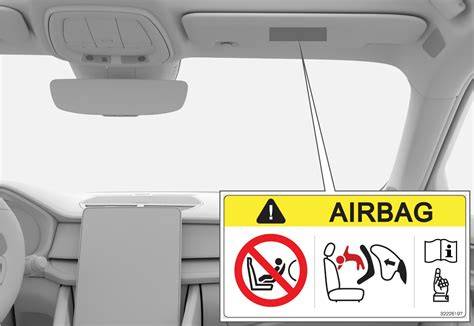
Additionally, side SRS airbag warning labels can be found on the passenger-side B-pillar (center pillar) and at the base of the front seats. These labels provide specific information regarding the side and curtain airbags.
In vehicles equipped with a front center airbag, an additional warning label is present on the inner side of the driver's seatback.
Understanding Front Passenger Airbag Warnings and Child Safety
The warning label located on the front passenger's sun visor contains critical information, particularly concerning the installation of child restraint systems. It emphatically states: "NEVER install a rear-facing child seat on a seat equipped with an AIRBAG, UNLESS the airbag has been previously deactivated; SERIOUS or FATAL INJURIES to the child may occur."
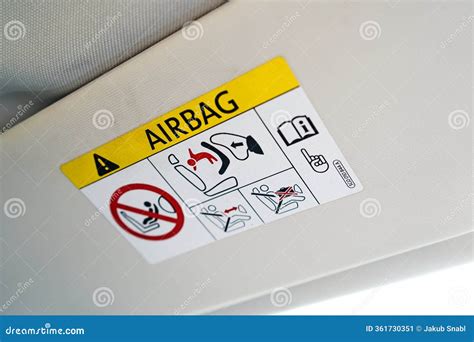
This warning underscores the extreme danger of placing a rear-facing child seat in the front passenger seat when the airbag is active. The force of an airbag deployment can be catastrophic for a small child positioned in this manner.
According to accident statistics, the REAR SEAT is unequivocally the SAFEST placement for children up to 12 years of age. It is paramount to always use an appropriate child restraint system for your child's age, weight, and height.
For certain infants and young children, the use of the vehicle's seatbelt may not be necessary when utilizing an appropriate ISOFIX restraint system with the integration of specific safety devices. However, for all other children and adults, it is essential to always use the vehicle's seatbelts.
General Airbag Safety Precautions
Beyond child safety, several general precautions should be observed to ensure the safe operation and effectiveness of the airbag system:
- Maintain a safe distance: Do not sit or lean too close to an airbag. The deployment zone requires adequate space.
- Avoid obstructions: Do not place objects on top of the airbags or between the airbags and the vehicle occupants. Such obstructions can interfere with the proper deployment of the airbags, potentially rendering them ineffective or causing unintended harm.
- Professional servicing: The removal or disposal of airbags must only be performed by a qualified NISSAN dealer or an authorized workshop. These components contain explosive devices and require specialized handling to prevent accidental deployment and ensure safe disposal.
It is highly recommended to consult the specific description of the "AIRBAG LABEL" within your vehicle's owner's manual for comprehensive details.
When installing any child restraint system in your vehicle, always adhere strictly to the mounting instructions provided by the seat manufacturer. Proper installation is as crucial as selecting the correct restraint system for maximizing safety.
Components Monitored by the SRS Airbag Warning Light
The SRS airbag warning light on the instrument panel diligently monitors a comprehensive array of circuits within the supplemental restraint system. This extensive monitoring ensures that all critical safety components are operational. The circuits under surveillance include:
- Impact zone sensors: These sensors detect the force and severity of a collision.
- Driver and front passenger airbags: The primary frontal airbags are continuously checked.
- Front side airbags: These airbags, located in the seats or doors, are also monitored.
- Front center airbag (if equipped): Some vehicles feature a center airbag designed to prevent occupants from colliding with each other.
- Curtain airbags: These airbags deploy from the roofline to protect occupants' heads.
- Seatbelt pretensioner retractors: These devices rapidly tighten the seatbelts at the moment of impact.
- Front satellite sensors (if equipped): Additional sensors that aid in detecting collisions.
- Rear satellite sensors: Sensors located in the rear of the vehicle.
- Front door pressure sensors (if equipped): Sensors that can detect side impacts.
- Airbag system diagnostic unit: The central control module for the entire SRS.
- Occupant classification sensor (if equipped): This sensor determines the size and weight of the front passenger to adjust airbag deployment force or disable it if necessary.
- Passenger airbag status light: A separate indicator specifically for the front passenger airbag.
In addition to these primary components, the system also monitors all related wiring harnesses. Any disruption or fault within this intricate network can trigger the warning light, signaling a need for professional inspection.
How Do Airbags Work?
The thoroughness of this monitoring system is designed to provide an early warning of any potential malfunction, allowing for timely intervention and ensuring the highest level of safety for all occupants of a Nissan vehicle.